 English
 العربية
 Español
 Français
 日本語
 한국어
 Bahasa
 Português
 Русский
 ไทย
 中文


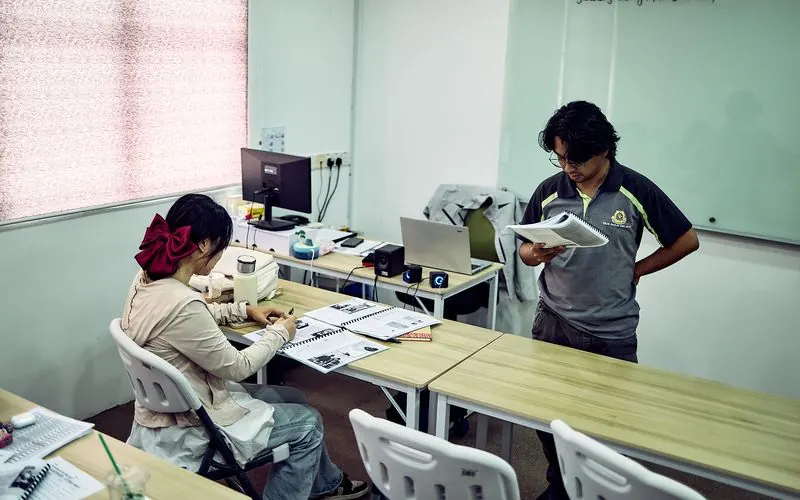
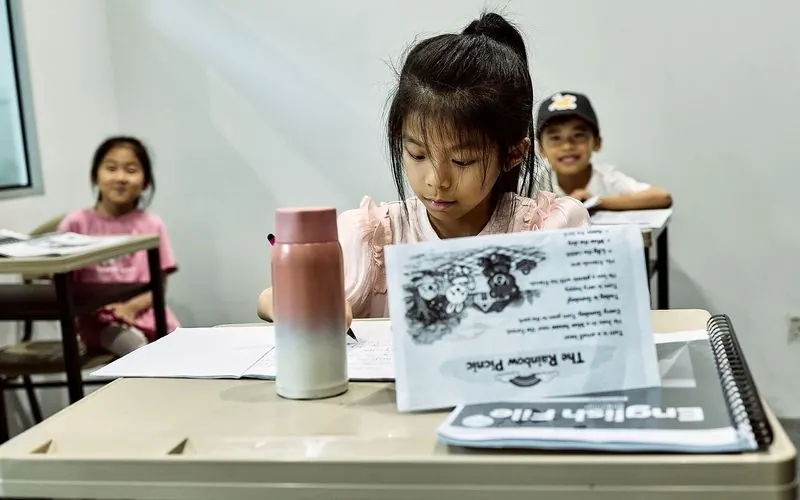
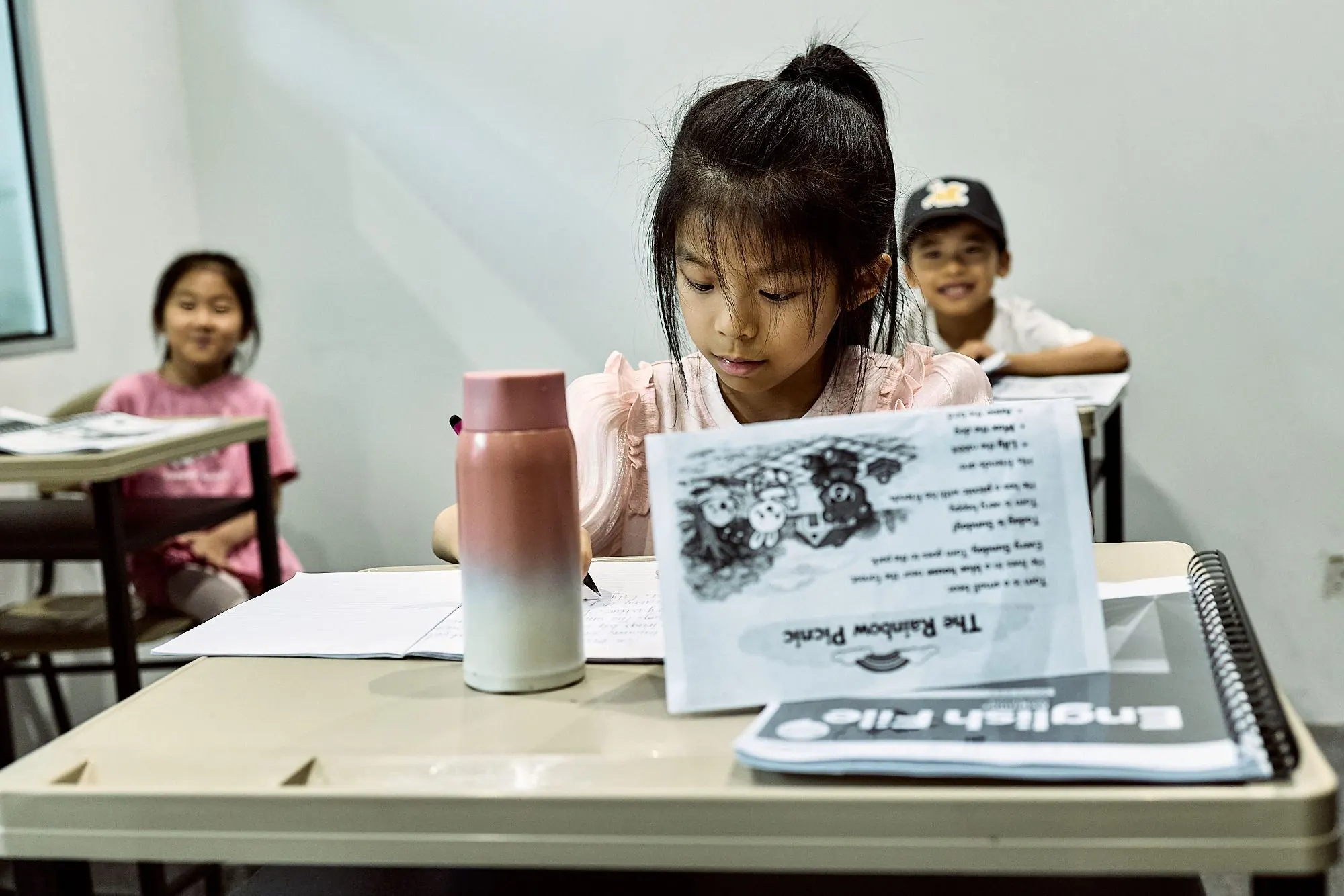
GL Academy's English Summer Camp 2026 in Kuala Lumpur welcomed more than 60 students from eight countries and regions: South Korea, Japan, China, Taiwan, Hong Kong, Saudi Arabia, Poland and Italy. From June to August they learned English together through projects, interviews and games, and left speaking with far more confidence than when they arrived.
When I look back on my own childhood holidays, I often feel I missed opportunities that only come once. Youth is not something to waste, and a summer spent learning a language is one of the best investments a child can make.
Why childhood is the best time to learn English
Research backs this up. A large study of nearly 670,000 English learners by Hartshorne, Tenenbaum and Pinker (2018) found that people who started learning before the age of about 10 to 12 were the most likely to reach native-like grammar. The ability to learn grammar stayed strong until around 17, then declined steadily.
The language itself matters too. Around 1.35 billion people speak English, making it the most widely spoken language in the world when native and non-native speakers are counted together (Lyons, 2026). English is the common language of international business, study and travel. In a world where borders matter less every year, it is one of the most valuable skills we can give the next generation.
Who joined our English summer camp 2026
This year's group was one of the most international we have welcomed. Our camp is open to children aged 5 to 16, and this year's students came from:
- East AsiaSouth Korea, Japan, China, Taiwan and Hong Kong
- The Middle EastSaudi Arabia
- EuropePoland and Italy
Watching children with different cultures and first languages come together with one goal, to become better English speakers, was a highlight of our year. Because English was the only language everyone shared, students used it all day, both in class and between lessons.
A day at GL Academy's English summer camp
Each day began at 9:30am, when students arrived to greet their classmates and teachers, and finished at 4pm. Every day covered all four skills: writing, reading, listening and speaking.
The camp day
| 9:30–10:45am | Writing & grammar |
|---|---|
| 11:00am–12:15pm | Reading |
| 12:15–1:15pm | Lunch break |
| 1:15–2:30pm | Listening |
| 2:45–4:00pm | Speaking & conversation |
Classes were fun but intensive. The aim was for students to use English in real situations, not just study it. Activities included:
- Group projects: planning and presenting work together in English
- Interviews: students interviewed one another to practise asking questions and listening
- Educational games: building vocabulary and speaking speed without the pressure of a test
- Show and tell: sharing how they had used their new English outside the classroom
The full timetable, class sizes and fees are on our Holiday Camp page.
How our students progressed
By the end of the camp, the change in each student was clear.
Many students told us how sad they were to leave a class they had grown to love. For us, that is the best sign that our English summer camp 2026 worked: they did not just learn English, they made friends they could only talk to in English.
Join our next English camp in Kuala Lumpur
GL Academy runs English holiday camps every summer and winter break for children aged 5 to 16. Our next camp is Winter Camp 2027, from December 2026 to February 2027, and students can join for as little as two weeks.
For year-round learning, our Junior Intensive English Programme continues the same approach during term time.
To reserve a place or ask about the next camp, contact our admissions team.
Sources
- Hartshorne, J. K., Tenenbaum, J. B. and Pinker, S. (2018). A critical period for second language acquisition: Evidence from 2/3 million English speakers. Cognition, 177, 263–277.
- Lyons, D. (2026). How many people speak English, and where is it spoken? Babbel Magazine.